
Rapidly Growing
Cancer Survivor Population
Cancer Survivor Population
Estimated Global Cancer
Survivor Population
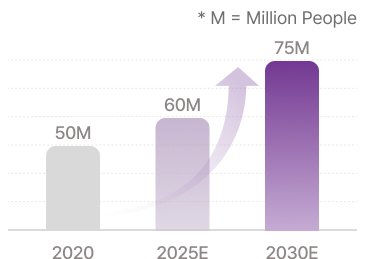
2020 → 2030E CAGR Approx. 4.2%

Source: IARC (GLOBOCAN 2022),
GlobalData (Cancer Survivors Forecast 2023)
PRIME-NK
Cancer therapies have dramatically improved survival. Yet many survivors continue to live with chronic inflammation,
immune dysfunction, and impaired tissue repair that compromise long-term health.
Despite these challenges, current treatment strategies remain largely supportive, focusing on symptom management
rather than restoring the underlying biology of recovery.
PRIME-NK is designed to address this unmet need by harnessing innate immunity to restore immune health and promote functional recovery beyond treatment.
Estimated Global Cancer
Survivor Population
2020 → 2030E CAGR Approx. 4.2%
Source: IARC (GLOBOCAN 2022),
GlobalData (Cancer Survivors Forecast 2023)
5-Year Relative Survival Rate
for Major Cancers
(Worldwide Estimate)*
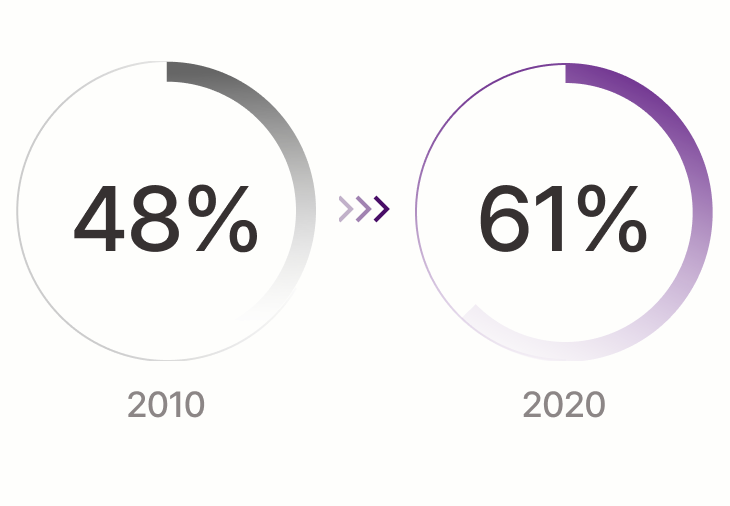
Major Cancer Trends Based on
Public Epidemiological Data
Source: Allemani C. et al., Lancet 2015 (CONCORD-2), NCI (Survivorship Reports 2023)
Declining Quality of Life Due to Long-Term Complications such
as Chronic Inflammation and Immune Dysregulation
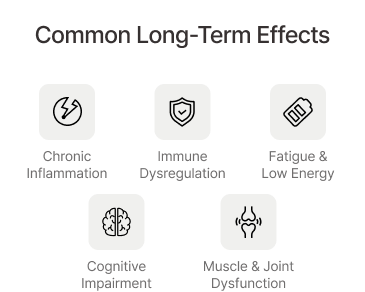
Source: National Cancer Institute(NCI), “Survivorship: Long-Term Effects of Cancer Treatment”, 2023
2030 Global Market Size
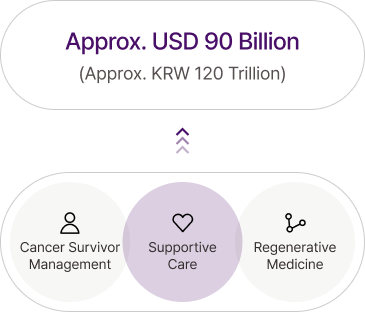
Source: Allied Market Research
(Cancer Supportive Care Market 2024)
PRIME-NK is an innate immunity-based NK cell platform designed to eliminate therapy-induced senescent cells, restore immune balance, and promote tissue regeneration.
We focus on the accumulation of senescent
and damaged cells that remain after cancer treatment
We apply our NK cell-based immune senolytic platform.
 Restoration of Immune Balance
 Reduction of Inflammation
 Recovery of Tissue Function
 Improved Quality of Life
Supporting a healthier life after treatment through
the restoration of immune homeostasis and tissue function.
A Key Biological Target of PRIME-NK
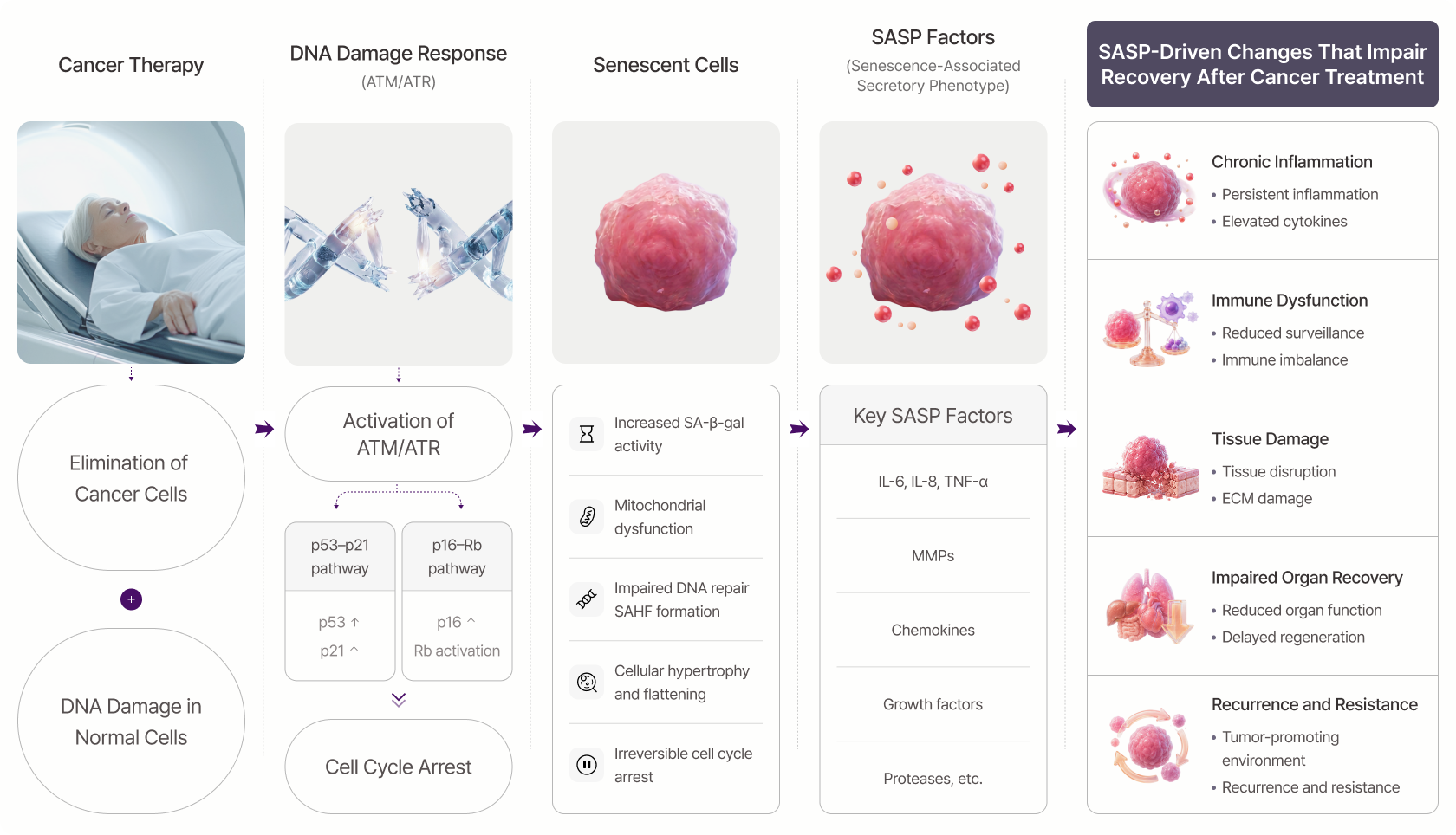
While chemotherapy and radiotherapy effectively eliminate cancer cells, they can also induce DNA damage in normal tissues.
As a result, a subset of normal cells enters a state of Therapy-Induced Senescence (TIS) through activation of the DNA Damage
Response (DDR) and the p53–p21 and p16–Rb signaling pathways.
These senescent cells develop a Senescence-Associated Secretory Phenotype (SASP), continuously releasing pro-inflammatory
mediators such as IL-6, IL-8, TNF-α, and MMPs. Persistent SASP signaling promotes chronic inflammation,
immune dysfunction, tissue injury, and impaired tissue regeneration.
TIS is increasingly recognized as a fundamental biological mechanism underlying the
long-term health burden in cancer survivors,
making it an emerging therapeutic target
for restoring tissue homeostasis and improving quality of life.
Selectively Clearing Senescent Cells to Restore Immune Health
PRIME-NK harnesses the natural surveillance function of natural killer(NK) cells to identify and eliminate senescent cells that accumulate
following cancer treatment. Activated PRIME-NK recognizes stress-induced ligands, including MICA/B and the ULBP family, which are highly expressed on senescent cells. It then eliminates these cells through its natural cytotoxic mechanisms, driven by perforin and granzymes.
By selectively clearing TIS cells, PRIME-NK reduces chronic SASP-driven inflammation, restores immune homeostasis,
and supports tissue repair.
PRIME-NK combines TIS-targeted senolysis with a feeder-free manufacturing platform, supporting both therapeutic differentiation and scalable NK cell production.
Key Features
Selective elimination of TIS cells

Rebalancing immune homeostasis while reducing chronic SASP-driven inflammation

Supporting tissue repair and functional recovery following cancer treatment
Feeder-free manufacturing process enabling reproducible, standardized, and large-scale production

Robust manufacturing and quality systems designed to support clinical translation and commercialization
The Future Envisioned by PRIME-NK:
PRIME-NK advances a TIS-targeted senolytic NK strategy for Recovery Beyond Treatment,
supporting immune restoration, tissue recovery, and the potential of Supportive Care 2.0.